Whole Spice or Pre-Ground? The Answer Is More Complicated Than Your Grandmother Lets On
There is a moment that happens in almost every South Asian kitchen in America. You reach for the jar of pre-ground cumin, and someone — a parent, an aunt, a visiting grandmother with strong opinions — gives you a look. Not a word. Just a look. The kind that says we did not come all this way for this.
But here's the thing: that look is not entirely wrong. It's also not entirely right. The whole-versus-ground spice debate is one of those cooking conversations where the nuance matters enormously, and blanket rules tend to collapse the moment you actually start cooking. So let's get into it properly.
What Happens When a Spice Gets Ground
Spices hold their flavor in volatile aromatic compounds — essential oils, terpenes, and a whole chemistry set of molecules that give cumin its earthiness, cardamom its floral punch, and coriander its citrusy brightness. When a spice is whole, those compounds are locked inside the seed, pod, or bark. Grinding breaks the cell walls open, releasing the aromatics into the air.
This is why freshly ground spices smell so dramatically better than their pre-ground counterparts. You're catching those aromatics at their most alive. But that release is also a clock starting. The moment those oils hit oxygen, they begin to degrade. Pre-ground spices sold in jars have already been through this process, usually weeks or months before they reach your pantry shelf in Chicago or Sacramento or Houston.
A study published in the Journal of Agricultural and Food Chemistry found that ground spices can lose a significant portion of their volatile compounds within six months of grinding, even when stored in sealed containers. Whole spices, by contrast, can retain potency for two to four years under similar conditions. Your grandmother's stone grinder isn't superstition. It's chemistry.
The Equipment Question Nobody Talks About Honestly
If you've decided to grind your own spices, you have a few options, and they are not all equal.
A dedicated blade coffee grinder is the most practical entry point for most home cooks in the US. They're inexpensive (you can find a decent one for $20 to $30), easy to clean, and powerful enough to handle most whole spices. The limitation is consistency — blade grinders chop rather than mill, which means you can end up with a mix of fine powder and larger fragments unless you work in short pulses and shake the grinder between runs.
A burr grinder produces a more uniform grind and is worth the investment if you're grinding spices frequently. These are common in serious coffee setups, but they work beautifully for spices too. Just keep a dedicated unit for spices — cross-contamination of flavors is real and slightly unpleasant in your morning coffee.
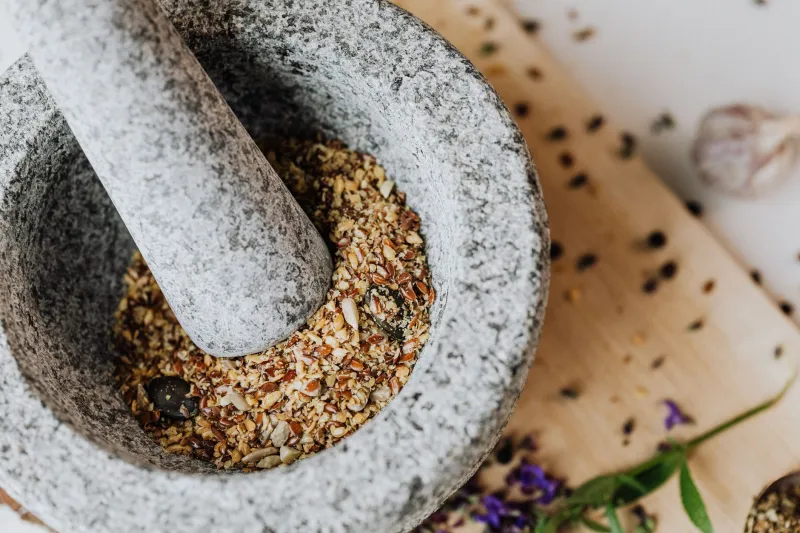
A mortar and pestle is what your grandmother was probably using, and it has genuine advantages beyond nostalgia. Grinding by hand generates less heat than a motorized blade, which means less risk of scorching or degrading delicate aromatics. It also gives you tactile control over texture in a way no machine quite replicates. For small quantities — a tablespoon of whole peppercorns, a few cardamom pods — a mortar is often faster than dragging out an appliance. The tradeoff is effort, especially for harder spices like dried turmeric root or large batches of garam masala.
A traditional stone grinder (sil batta or ammikkal) is the ancestral gold standard. The slow, cold grinding preserves aromatics and produces a paste-like consistency that is genuinely different from anything a machine creates. For wet masalas — coconut-based gravies, fresh chutneys, idli batter — the texture and temperature profile of stone grinding produces results that are measurably different. If you have one and space to store it, use it. If you don't, a good blender with a little added water can approximate the result.
When Whole-and-Grind Actually Matters
Not every dish needs freshly ground spices. Let's be honest about that.
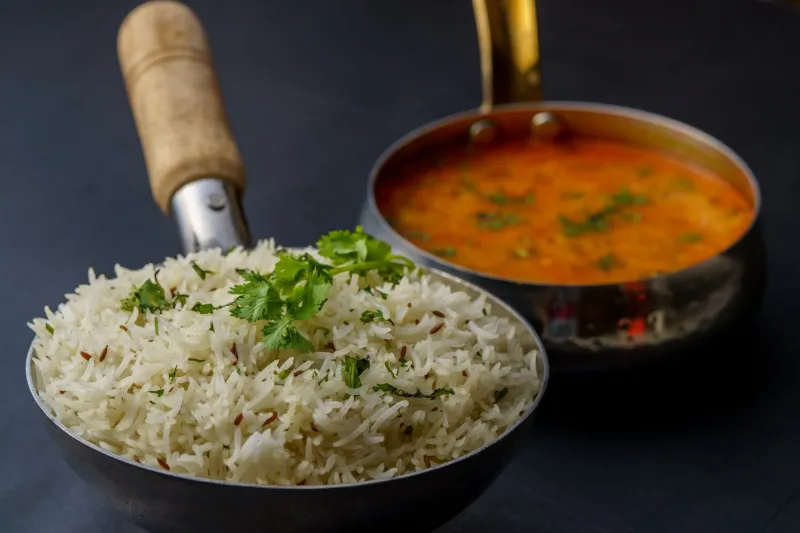
For a weeknight dal where you're blooming pre-ground cumin and coriander in hot oil, the heat itself does a lot of the work of reviving flavor compounds. The dish will be good. It will be satisfying. Nobody is going to suffer.
But there are specific situations where fresh grinding is genuinely transformative:
Garam masala is probably the clearest example. The whole point of garam masala is warmth and complexity — layers of cardamom, clove, cinnamon, black pepper, and nutmeg that should bloom in sequence on your palate. Pre-ground versions, especially the ones that have been sitting on a grocery store shelf, often taste flat and one-dimensional by comparison. Grinding a small batch fresh every few weeks is one of the highest-return changes you can make to your cooking.
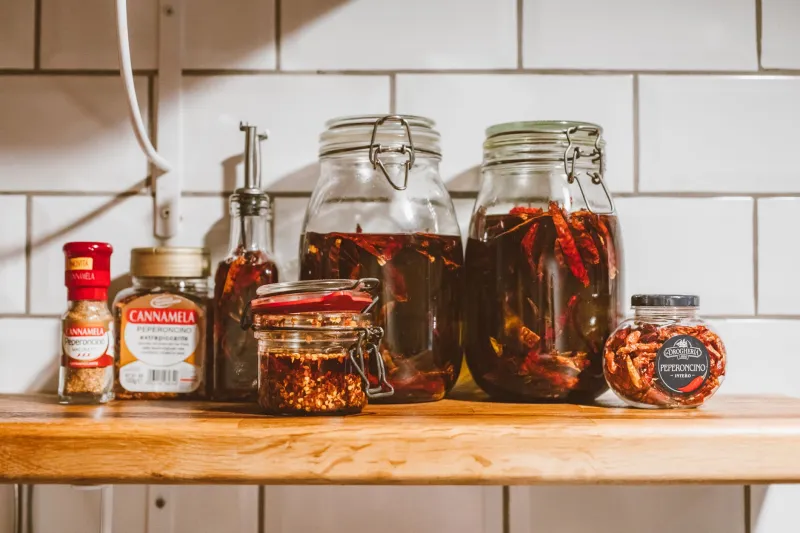
Whole spice tempering (tadka) is actually a case where the whole-versus-ground question is settled automatically — you're using whole spices by definition. Mustard seeds, cumin seeds, curry leaves, dried chilies — these go into hot oil whole, and the frying process does the extraction work. No grinding needed.
Biryanis and slow-cooked kormas benefit from freshly ground spices because those dishes have long cook times during which subtle aromatics can develop. Starting with fresher, more potent spices means you have more to work with.
Chutneys and fresh sauces are another category where freshness matters enormously. A green chutney made with freshly toasted and ground cumin tastes completely different from one made with the pre-ground version from a jar.
When the Shortcut Is Fine (And You Should Take It)
Pre-ground turmeric is fine. Actually, it's more than fine — turmeric's active compound, curcumin, is relatively stable compared to the volatile aromatics in other spices. The color and earthy bitterness hold reasonably well in ground form. Same goes for pre-ground red chili powder, especially if you're using it primarily for heat and color rather than nuanced flavor.
For everyday cooking, keeping a small rotation of pre-ground standbys alongside a core of whole spices is the practical middle path. Buy whole cumin, coriander, cardamom, cloves, black pepper, and cinnamon sticks. Grind them yourself in small batches. Buy pre-ground turmeric and chili powder without guilt.
And replace everything — whole or ground — more often than you think you need to. Spices do not last forever. If you can't smell anything when you open the jar, the jar is not helping you.
What Your Grandmother Is Actually Right About
The insistence on grinding whole spices isn't just about flavor, though the flavor case is strong. It's also about engagement with the process of cooking. When you toast whole cumin seeds until they pop and darken slightly, then grind them while they're still warm, you are paying attention in a way that makes you a better cook. You notice the color. You smell the moment they're ready. You develop instincts that a pre-ground jar simply cannot teach you.
South Asian cooking has always been as much about technique and attention as it is about ingredients. The spice grinder — whatever form it takes in your kitchen — is one of the places where that attention pays off most visibly.
So yes, your grandmother might be right. She's also probably right about a few other things you're not ready to hear yet. Start with the cumin.