Everyone's Samosa Is the Right Samosa (Until You Meet Someone Else's Family)
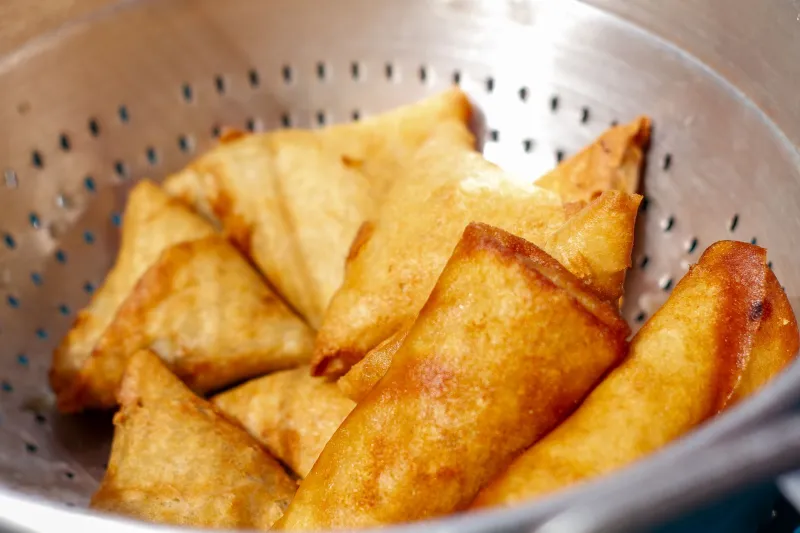
The first time I brought homemade samosas to a potluck, a Punjabi auntie told me the filling needed more amchur. A Gujarati uncle said they were too big. Someone else said the shell was too thick. And a friend from Hyderabad quietly asked why there was no mint chutney on the side — as if that was somehow my fault.
This is the samosa experience. A food so universally loved that nearly everyone in South Asia claims ownership of it, and yet no two versions are quite the same. If you've ever felt confused about which samosa is the real samosa, here's the honest truth: they all are. But understanding why they differ makes you a better cook — and a much more interesting dinner guest.
A Snack With Serious Range
Samosas didn't start in South Asia. Food historians trace their origins to Central Asia, where a similar stuffed pastry called the sambosa traveled along trade routes and slowly transformed as it moved through Persia, the Middle East, and eventually the Indian subcontinent. By the time samosas took root in South Asian cooking, they'd already picked up centuries of adaptation. That restless, shape-shifting quality never really left.
In northern India — particularly in Punjab and Uttar Pradesh — samosas tend to be large and assertive. The filling is almost always spiced potato and peas, heavy on cumin seeds, dried mango powder, and sometimes a sharp hit of garam masala. The shell is thick enough to hold its shape but still shatters when you bite into it. These are the samosas that became the default version most Americans encounter at Indian restaurants, and for good reason: they're dramatic, satisfying, and deeply comforting.
But travel south or east and the whole picture shifts. In Gujarat, samosas are often smaller and slightly sweeter, with a filling that might include lentils or even a coconut-inflected spice blend. Bengali singara — the regional cousin — is typically stuffed with cauliflower and potato, shaped with a more rounded body, and tends to be less oily than its northern counterpart. In parts of Maharashtra, you'll find samosas made with a maida dough that's almost flaky, closer to a shortcrust pastry.
And then there are the outliers: samosas filled with minced meat (keema), samosas made with vermicelli and cheese at Eid celebrations, sweet samosas filled with khoya and dry fruits that blur the line between snack and dessert. Every region, every community, every family has its own version — and every single one of them believes theirs is correct.
Why American Home Cooks Struggle With the Shell
Here's where things get practical. For South Asian Americans trying to recreate samosas at home, the filling is usually the easy part. The shell is where things fall apart — sometimes literally.
The classic samosa dough is made from maida (finely milled white flour), oil or ghee, salt, and just enough water to bring it together. The key technique is moyan — rubbing fat into the flour until the mixture resembles coarse breadcrumbs before adding any water. This step is non-negotiable. Skip it or rush it, and your shell will be soft instead of crispy, or it'll crack when you fold it.
The other major issue is oil temperature. Samosas need to fry low and slow — somewhere around 300 to 325°F — for the first several minutes, then finish at a higher heat. If you drop them into oil that's too hot right away, the outside browns fast while the dough inside stays raw and doughy. If the oil is too cool throughout, they absorb more grease than they should. A thermometer is your friend here. Don't wing it.
Finally, the dough itself needs to rest. At least 20 to 30 minutes covered with a damp cloth. Resting lets the gluten relax, which makes the dough easier to roll thin and less likely to tear when you're shaping. Many first-time samosa makers skip this step because they're impatient (understandable) and then wonder why their samosas split open in the oil.
The Filling Debates, Ranked by Intensity
If you want to start an argument at a South Asian dinner table, bring up samosa fillings. A few of the most contentious positions:
Peas: yes or no? Purists in some regions insist peas have no place in a samosa filling — they add moisture and can make the interior soggy if the samosas sit too long. Others consider peas non-negotiable. There is no resolution to this debate. Pick a side and commit.
How mashed should the potato be? Some cooks want a smooth, cohesive filling that holds together cleanly. Others prefer chunks of potato that give each bite some texture. Both are valid. The chunky camp tends to be louder about it.
To onion or not to onion? Raw onion in the filling is common in some traditions and considered strange in others. Caramelized onion in a keema samosa is a different conversation entirely and generally uncontroversial.
Fresh herbs vs. dried spices? Fresh cilantro and green chili in the filling is a northern staple. Some southern and western traditions lean harder on dry spice blends. Neither is wrong — they just produce a noticeably different flavor profile.
Making Peace With the Variation
Here's the thing about samosas that's worth sitting with: the variation isn't a bug. It's the whole point. Samosas evolved over centuries across an enormous, culinarily diverse region, and they kept evolving as South Asian communities migrated — to East Africa, to the UK, to the United States. Every adaptation reflects something real about the people making them: what ingredients were available, what spices they grew up with, what their mothers did.
For home cooks in the US, that means you have permission to develop your own version. Start with a tradition you know — or research one that interests you — and learn the technique behind it before you start improvising. Understand why the dough needs moyan, why the oil temperature matters, why the filling should be completely cool before you seal the pastry. Once you understand the mechanics, you can make informed choices about where to take it.
Maybe your samosas will be small and Gujarati-inflected because that's what feels like home. Maybe you'll make a big, bold Punjabi-style samosa because that's what you fell in love with at your local chaat spot. Maybe you'll do something entirely your own — a filling that reflects your particular household, your fridge, your cravings on a Tuesday night.
That's not heresy. That's just the samosa doing what it's always done: traveling, adapting, and landing somewhere new without losing what makes it worth eating in the first place.