Spend Here, Save There: A Home Cook's Guide to Splurging Smart on South Asian Ingredients
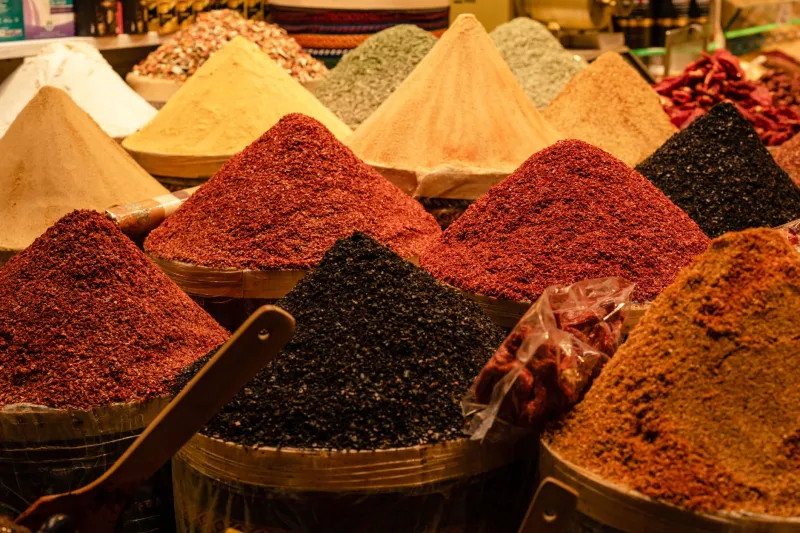
Let's be honest: stocking a South Asian pantry in the US can get expensive fast. Between specialty grocery runs, online orders, and the occasional impulse buy at the Indian grocery store because the packaging was pretty, the costs add up. And yet, not all of that spending is created equal. Some ingredients genuinely reward the extra dollars. Others? The budget version will do just fine, and anyone who tells you otherwise might be selling something.
This isn't about being cheap. It's about being strategic. Because when you know where quality actually matters, you can redirect that saved cash toward the things that will genuinely change how your food tastes.
The Case for Spending More on Saffron
Saffron is the obvious starting point for any conversation about premium South Asian ingredients, mostly because the price gap between grocery store saffron and the real stuff is almost comical. You've probably seen those little plastic containers at the regular supermarket — a pinch of reddish-orange threads for $8 or $9. It looks like saffron. It smells vaguely floral. And then you use it in your kheer or your biryani and wonder why nothing happened.
Here's the thing: a lot of what's sold as budget saffron in mainstream US grocery stores is either heavily diluted, mixed with safflower or other look-alike materials, or just old enough that the volatile compounds responsible for that distinctive honey-meets-hay aroma have mostly evaporated. Saffron's flavor is almost entirely aromatic — it's carried by a compound called safranal — so once that's gone, you're essentially adding orange-colored thread to your food.
Spending more on saffron from a reputable source, whether that's a trusted South Asian grocer, a specialty spice retailer, or a direct importer of Iranian or Kashmiri saffron, makes a real and immediate difference. You'll notice it the first time you bloom a proper pinch in warm milk. The color deepens to a genuine gold, the smell fills the room, and suddenly your rice actually tastes like something worth the effort. This is one category where the upgrade is unambiguous.
Hing: The Ingredient Where Quality Is a Completely Different Product
Asafoetida — hing — is where a lot of home cooks get quietly shortchanged without realizing it. The yellow powder in the small orange tin that most of us grew up with is technically hing, but it's also mostly wheat flour or rice flour with a small percentage of actual asafoetida resin mixed in. It gets the job done, and if that's what you've always used, your food probably tastes fine to you.
But pure hing — the real resin, compounded without fillers — is an entirely different sensory experience. The sulfurous punch is stronger, the savory depth it adds to a tarka is more complex, and crucially, you need far less of it. A tiny amount of pure hing goes a long way, which means the higher upfront cost per jar actually evens out over time. For anyone cooking gluten-free, switching from the flour-diluted version to pure resin hing isn't optional — it's necessary. But even if gluten isn't a concern, trying the pure version at least once will reframe what you thought hing was capable of.
Look for it at well-stocked South Asian grocery stores or online. It usually comes in a small, tightly sealed container and smells aggressively pungent even through the packaging. That's how you know it's working.
Where Paneer Doesn't Need to Be Fancy
Here's a counterintuitive one: for most everyday cooking, the paneer you make at home or buy from a standard South Asian grocery store is going to outperform expensive artisanal versions in terms of practical results. Paneer is a fresh cheese, which means it doesn't have a complex aging process that rewards premium sourcing the way, say, an aged cheddar does. The variables that matter most — how fresh it is, how it was pressed, and what you do with it after purchase — are largely in your control.
Artisanal paneer made from high-quality whole milk can have a creamier, richer texture, and if you're making something where paneer is the undisputed star — a simple saag paneer with minimal spice interference, or paneer served with just a drizzle of good honey — you might notice the difference. But in a heavily spiced makhani sauce or a cubed and crisped preparation, the nuances of premium paneer disappear almost entirely.
The better investment here is making your own paneer when you have time, or buying from a South Asian grocery store with high turnover so freshness is almost guaranteed. Day-old paneer pressed at home from whole milk will beat a $14 artisanal block in most applications every single time.
The Middle Ground: Whole Spices Worth Upgrading
Not every spice purchase needs to be an event, but a few whole spices reward a small quality bump more than others. Green cardamom is one of them. The difference between fresh, properly stored green cardamom — the pods plump, the color still vivid, the seeds inside dark and fragrant — and the desiccated, pale pods that have been sitting in a bin for months is significant. If your chai masala or your biryani has felt a little flat lately, your cardamom might be the culprit.
Cinnamon is another one worth paying attention to. Most grocery store cinnamon is cassia, which is fine and has its own legitimate role in South Asian cooking. But true Ceylon cinnamon, sometimes labeled as "true cinnamon" or "Sri Lankan cinnamon," has a lighter, more delicate sweetness that changes the character of certain dishes entirely. It's worth keeping both on hand if you cook across different South Asian traditions.
On the other hand, standard cumin, coriander, and dried red chiles bought in bulk from a South Asian grocery store almost always match or beat small-batch specialty versions at a fraction of the cost. These are high-volume spices with fast turnover, which means freshness is generally reliable without paying a premium for it.
A Simple Framework for Making the Call
When you're standing in the aisle trying to decide whether a price difference is worth it, a few quick questions help:
Is the flavor compound volatile? Saffron and cardamom lose their most important characteristics when old or poorly sourced. Premium matters more here.
Is the ingredient heavily diluted in standard versions? Hing is the clearest example. If budget versions are mostly filler, the upgrade is actually a different product.
Will the ingredient be the focal point of the dish? The more a single ingredient needs to carry the flavor, the more quality matters. The more it's one voice in a chorus of spices, the less the premium version will register.
Does freshness matter more than sourcing? For paneer and many whole spices, buying from a high-turnover store beats paying for an artisanal label.
The goal isn't to spend more. It's to spend smarter — to know which jars and packets are genuinely transformative and which ones are marketing dressed up in nice packaging. Once you start thinking about your pantry that way, the cooking gets better and the grocery bill starts making a lot more sense.