Fresh, Frozen, or Dried: The Ginger Debate That's Been Dividing South Asian Kitchens for Generations
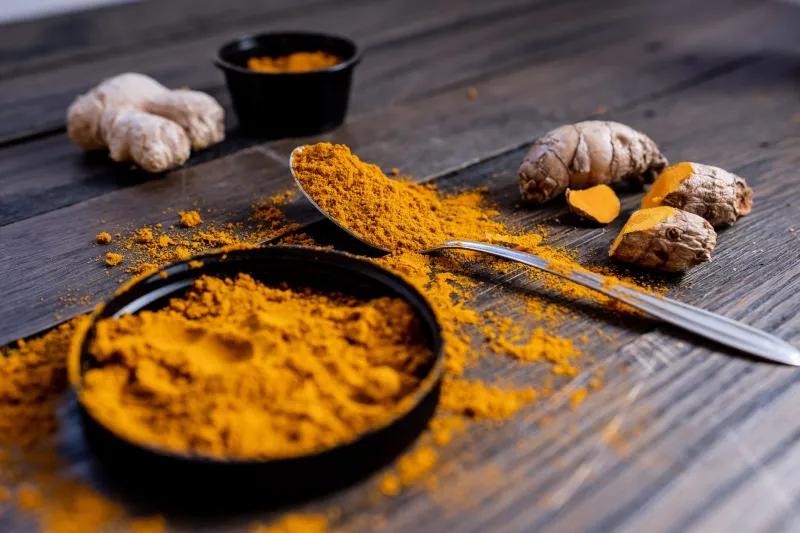
Ask three Indian grandmothers how to handle ginger and you'll walk away with three completely different answers — and possibly a small argument brewing in the background. One will insist you grate it fresh every single time, no exceptions. Another will swear by the frozen cubes she preps on Sunday afternoons. The third might surprise you by reaching for the little jar of dried powder she's kept above the stove since 1987. All three are making delicious food. So what's actually going on here?
Ginger is one of those ingredients that gets taken for granted. You throw it in the tadka, you add it to the marinade, you stir it into the chai — and you don't always stop to think about whether the form you're using is actually the right call for what you're making. Turns out, it really does matter.
What Makes Ginger Taste Like Ginger
Before we get into the great grandmother debate, it helps to understand what's happening chemically. Fresh ginger gets its sharp, almost citrusy heat from a compound called gingerol. It's bright, a little grassy, and has that distinctive bite that hits the back of your throat. When you dry or cook ginger, gingerol converts into a different compound — shogaol — which is actually spicier and earthier, with a slower, deeper burn.
Powdered ginger has gone through heat during processing, so it's almost entirely shogaol territory. That's why it tastes so different from fresh: it's not a weaker version of the same thing, it's genuinely a different flavor profile. This is the part most home cooks miss, and it's exactly why swapping one for the other doesn't always work the way you'd hope.
The Case for Fresh
Fresh ginger root is what most South Asian recipes were built around. When a dish calls for a ginger-garlic paste, it means fresh. When you're building the base of a curry and you want that bright, aromatic pop that blooms in hot oil, fresh is doing the heavy lifting.
The texture matters too. Freshly grated ginger releases juice that carries those volatile aromatic compounds directly into whatever you're cooking. A fine grater — a Microplane works beautifully here — breaks down the fibers and lets you get the most out of the root without ending up with stringy bits in your sauce.
The honest downside? Fresh ginger doesn't love sitting in your crisper drawer. It goes soft and moldy faster than you'd like, especially if you're only cooking South Asian food a couple of times a week. If you're buying a big knob and only using an inch at a time, you're probably throwing away more than you're cooking with.
Why the Freezer Might Be Your Best Friend
Here's where the modern South Asian American kitchen has quietly made a genuinely smart upgrade: frozen ginger. And no, this isn't a compromise — it's actually pretty great.
When you freeze a whole knob of ginger, a few things happen. The water inside the cells expands and breaks down the fibrous structure, which means frozen ginger grates almost effortlessly. You can pull it straight from the freezer, run it across a grater, and have a fine, fluffy pile of ginger in about thirty seconds. No peeling required — the skin grates away or you can rub it off easily once frozen.
Better yet, the flavor holds up remarkably well. The gingerol doesn't degrade the way it would if the root just sat in your fridge going limp. You're getting something very close to fresh flavor with almost none of the waste. Freeze it whole, freeze it in peeled pieces, or freeze a batch of ginger-garlic paste in an ice cube tray — all of these work.
A lot of South Asian grandmothers in the US have already figured this out, by the way. They just might not have told you.
When Dried Powder Actually Wins
Powdered ginger gets a bad reputation in savory cooking circles, but it genuinely earns its place in specific contexts. The key is understanding what it's good at.
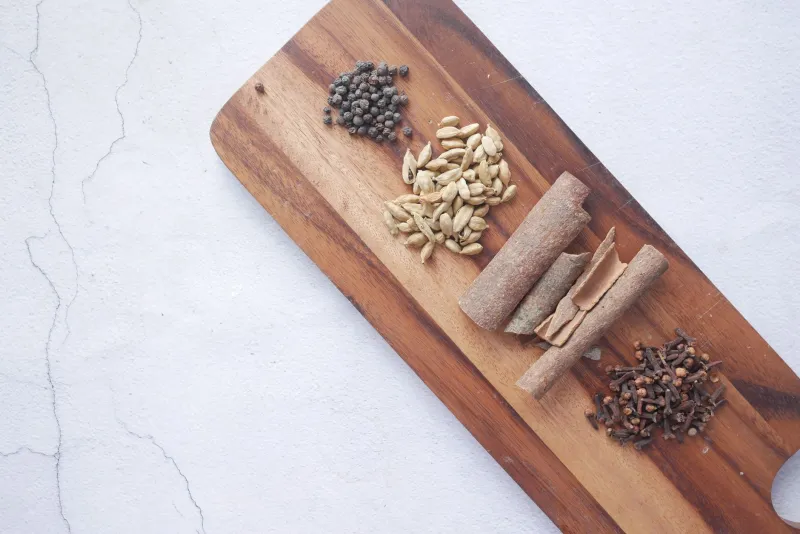
Because dried ginger has that deeper, more resinous heat, it works beautifully in spice blends, dry rubs, and baked goods. Think about chai masala — dried ginger contributes a warmth that lingers in a way fresh ginger can't quite replicate in a spice blend that needs to stay dry. Garam masala sometimes includes dried ginger for the same reason. In some North Indian sweets and gingerbread-adjacent treats, powdered ginger is absolutely the right call.
For savory dishes, dried ginger can fill in when you genuinely don't have fresh — but go lighter than you think. The standard conversion you'll see floating around (one teaspoon fresh equals a quarter teaspoon dried) is a decent starting point, but the flavor is different enough that you should taste as you go rather than trust the math blindly.
Also: if your jar of dried ginger has been sitting in the cabinet for two years, it's probably not pulling its weight anymore. Dried spices don't last forever. Give it a sniff — if it smells like very little, it's going to taste like very little.
Regional Preferences Are Real
It's worth noting that ginger's role shifts considerably depending on which part of South Asia a recipe comes from. In Bengali cooking, a paste of ginger and mustard is a foundational flavor combination that shows up in fish dishes and vegetable preparations. In Punjabi cooking, the ginger-garlic paste is almost always fresh and cooked down hard in oil until the raw edge disappears. In South Indian cooking, ginger often appears in smaller amounts alongside curry leaves and mustard seeds, playing a supporting role rather than leading.
Keralan and Sri Lankan cuisines use ginger somewhat differently than North Indian traditions, and in some Gujarati dishes, dried ginger powder — called soonth — is a deliberate choice in sweets and digestive preparations, not a substitute for fresh. The point is that "ginger" is not one monolithic ingredient with one correct form. It's a flavor that shifts depending on what the dish needs.
So Which One Should You Use?
The honest answer is: keep all three around and learn when each one belongs.
Fresh (or frozen) ginger for curries, marinades, chutneys, stir-fries, and anything where you want that bright, immediate punch. Frozen is the practical choice for most American home cooks who aren't cooking South Asian food every single day.
Dried powder for spice blends, chai masala, dry rubs, baked goods, and situations where you need even distribution without any moisture.
And when your grandmother insists her way is the only way? She's probably right — for her recipe, in her kitchen, with the specific flavor she's been building for decades. That's worth respecting. But it doesn't mean you can't also have a bag of frozen ginger knobs in your freezer drawer doing quiet, excellent work every time you need them.