Sour Power: How to Pick the Right Acid for Every South Asian Dish You Make
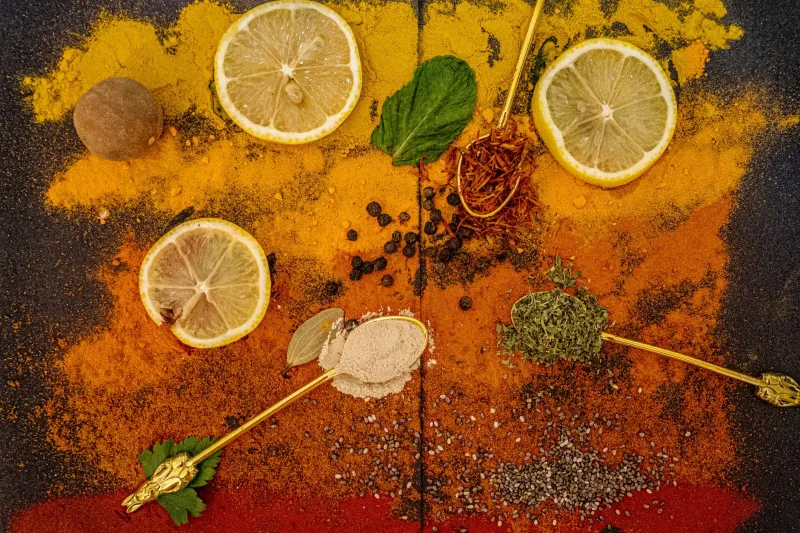
There's a moment in almost every South Asian recipe where something bright gets added — a squeeze here, a spoonful there, a pinch of something powdery — and suddenly the whole pot comes alive. That's acid doing its job. But acid in South Asian cooking isn't a monolith. It's a category with serious range, and the souring agent you choose can be the difference between a dish that sings and one that just... sits there.
Lemon, lime, tamarind paste, amchur (dried mango powder), and yogurt are the five main players. They're not interchangeable. They each carry their own flavor personality, behave differently under heat, and belong to different regional traditions. Knowing when to use which one is one of those skills that separates a confident cook from someone who's still just following instructions.
Why Acid Matters in the First Place
Before we get into the specifics, it's worth understanding what acid is actually doing in your food. South Asian cooking leans heavily on fat, heat, and spice — all of which can flatten out and get muddy without something sharp to cut through. Acid lifts flavors, creates contrast, and signals to your brain that what you're eating is complex and balanced rather than one-dimensional.
But the kind of acid matters as much as the presence of it. Different acids have different flavor compounds attached to them, different levels of intensity, and different reactions to heat. Some of them mellow out when cooked. Others get sharper. Some add color, some add body, and some work almost invisibly — you just notice when they're missing.
Fresh Citrus: Lemon and Lime
Lemon and lime are the most familiar souring agents for most American home cooks, which makes them both useful and slightly overused in South Asian contexts.
Lemon has a rounder, slightly floral sourness. It works beautifully as a finishing acid — squeezed over dal just before serving, stirred into a raita, or brightening up a chutney that's been sitting in the fridge. The problem is that lemon doesn't hold up to prolonged cooking. Add it to a curry early in the process and most of that brightness cooks off, leaving behind a faint bitterness.
Lime is sharper and more aggressive than lemon, with a slightly grassy edge that shows up particularly well in coastal and South Indian dishes. If you're making a seafood curry from Kerala or a tangy rasam, lime can be a better fit than lemon. Like lemon, though, it's best used at the end of cooking rather than cooked in from the start.
Both are excellent when you need something immediate and fresh. Neither is the right choice when you need sourness that's been cooked into the dish itself.
Tamarind: The Deep, Slow Burn
This is where things get interesting. Tamarind is the souring agent that actually loves heat. It's a cooked acid, which means it gets better when it's simmered into a dish rather than added at the end. The flavor is complex — fruity, dark, slightly sweet, and deeply tangy — in a way that fresh citrus simply can't replicate.
In South Indian cooking, tamarind is foundational. Sambar, rasam, puliyodarai rice, and dozens of chutneys all depend on it. In North Indian and Pakistani cooking, it shows up in chutneys and some meat dishes. Pad Thai has it (yes, South Asian influence runs wide). The form you use matters: tamarind concentrate from a jar is convenient but can be intensely sour and slightly metallic. A block of dried tamarind soaked in warm water and strained gives you a more nuanced, rounded paste that's almost always worth the extra ten minutes.
If your dish has a long cook time and you want the sourness to be woven into the base rather than sitting on top, tamarind is your answer.
Amchur: The Dry Option That Punches Above Its Weight
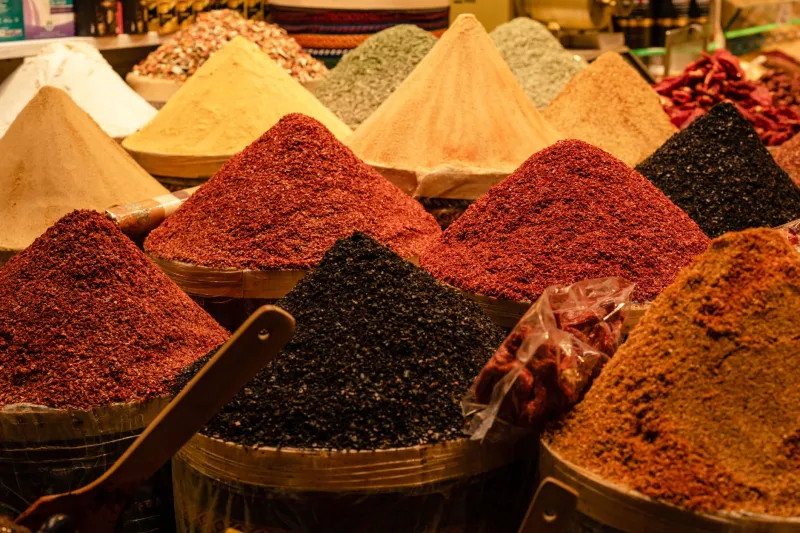
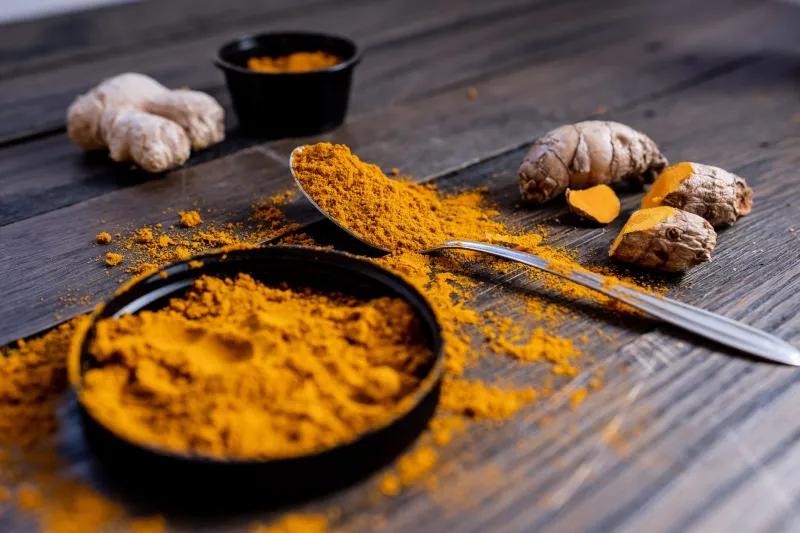
Amchur is made from unripe mangoes that have been dried and ground into a powder. It's sour in a way that's distinctly fruity and slightly astringent, and because it's dry, it does something the other acids on this list can't: it adds sourness without adding any liquid.
That makes it uniquely useful. Chaat masala (which you've almost certainly had if you've eaten street food) leans heavily on amchur. It's also common in dry vegetable dishes — aloo ki sabzi, stuffed parathas — where you want brightness without making things watery. Some cooks add it to marinades for tandoori dishes because it tenderizes meat while adding flavor.
Amchur is shelf-stable, easy to use, and underrated. If you've been reaching past it in the spice aisle, it's time to give it a real chance. Start with half a teaspoon, taste, and go from there.
Yogurt: The Acid That Also Adds Body
Yogurt is technically a souring agent, though most people don't think of it that way. The lactic acid in yogurt is gentler than citrus or tamarind, which makes it excellent for dishes where you want creaminess and a soft tang at the same time — think kormas, certain biryanis, and marinades for grilled meats.
The catch is that yogurt can break if you're not careful. Adding cold yogurt directly to a hot pan almost always results in curdling. The fix is to temper it first — whisk it well, bring it to room temperature, and add it slowly off the heat or over very low heat while stirring constantly. Once it's cooked in, yogurt adds a subtle sourness that's more background note than main event.
For raw applications — raitas, chutneys, lassi — yogurt is incredible. For cooked dishes, it rewards patience.
Matching Acid to Dish: A Quick Reference
If you're staring at a recipe and trying to figure out which acid to reach for, here's a rough guide:
- Dal — Tamarind for South Indian versions; lemon or amchur for North Indian styles, added at the end
- Curry (long-cooked) — Tamarind or yogurt cooked in; citrus squeezed over at the table
- Chutneys — Tamarind for sweet-sour chutneys; lemon or lime for fresh herb chutneys
- Dry vegetable dishes — Amchur, almost always
- Marinades — Yogurt or amchur for tenderizing; citrus for quick brightness
- Street food / chaat — Amchur-heavy chaat masala, plus tamarind chutney
The Real Lesson
The best South Asian cooks don't think of these as interchangeable options — they think of each one as a different tool. Lemon is a finisher. Tamarind is a builder. Amchur is a dry brightener. Yogurt is a softener. Lime is a sharpener.
Once you start thinking that way, you'll stop defaulting to whatever's closest and start making actual choices. And those choices are what make a dish feel considered rather than assembled.