Second Day, Better Meal: The Art of Reinventing Leftover Curry
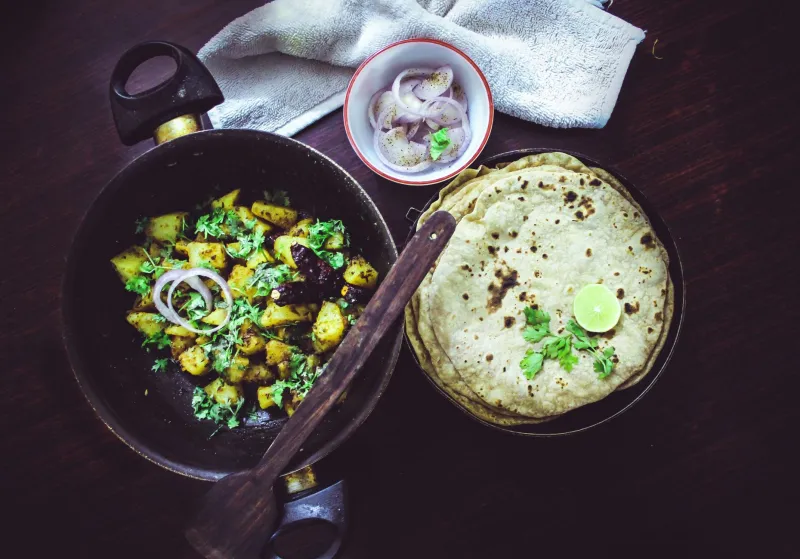
There's a specific kind of satisfaction that comes from eating leftover curry the next morning for breakfast, reheated in a pan with a little extra oil and served with fresh roti or toast. If you grew up in a South Asian household, you know exactly what that tastes like. If you didn't, you're about to learn something important.
In a lot of Western cooking culture, leftovers carry a slight air of defeat — like you failed to plan properly and now you're stuck eating the same thing twice. South Asian kitchens have never seen it that way. Repurposing cooked food isn't a workaround. It's a skill. It's creativity. And honestly, the second meal is often better than the first.
Why Leftovers Taste Better Anyway
Before we get into the transformation techniques, let's acknowledge the obvious: most curries and dals genuinely improve overnight. The spices have had time to meld, the fat has redistributed through the sauce, and the proteins or vegetables have absorbed more flavor from the liquid around them.
This is especially true for anything with whole spices, tomato-based gravies, or legumes. A dal that tasted a little sharp the night it was made will taste rounder and more integrated the next day. That's not magic — it's just chemistry doing its thing while the pot sits in your refrigerator.
So you're not starting with a lesser product. You're starting with something that's already better than it was. The goal is to take it somewhere new.
Dal: From Bowl to Filling to Base
Leftover dal is one of the most versatile things in a South Asian kitchen, and it's chronically underused as anything other than reheated dal.
Dal paratha filling: Thicker dals — chana dal, moong dal, toor dal that's been cooked down — work beautifully as a stuffing for parathas. Dry the dal out a little more in a pan if it's still quite liquid, season it with a pinch of ajwain, some chopped green chili, and fresh cilantro, and use it exactly the way you'd use a potato filling. The result is earthy, protein-rich, and completely different from what you started with.
Dal as a soup base: Thinner, brothier dals can become the base for a completely different soup by adding different vegetables and a fresh tadka. Reheat the dal, add some roughly chopped spinach or diced tomatoes, let it simmer for ten minutes, then finish with a fresh tempering of mustard seeds, dried red chili, and curry leaves in hot oil. It reads as an entirely new dish.
Dal rice cakes: Mix cold leftover dal with day-old rice, a little besan (chickpea flour) to bind, salt, and whatever spices you like. Form into patties and pan-fry in a little oil until crispy on both sides. These are one of those things that sound improvised but taste intentional.
Curry: The Blank Canvas Move
The key to transforming leftover curry is understanding what it already has and what it's missing. Most curries have a solid spice base and good depth. What they often lack, by the second day, is brightness and texture.
Add acid: A squeeze of lemon or lime, a spoonful of tamarind paste, or even a dollop of plain yogurt stirred in at the end can completely lift a curry that's started to taste flat. Diaspora cooks do this instinctively — the fridge concentrates and dulls flavors, and acid wakes them back up.
Add a new protein or vegetable: Leftover chicken curry becomes a completely different dish when you add a can of drained chickpeas and a handful of spinach. The original curry becomes the sauce, and the new additions carry it forward. Leftover vegetable curry can become a base for scrambled eggs — just push the curry to the side of the pan, scramble two or three eggs directly in the pan, then fold everything together. This is a legitimate breakfast move.
Turn it into a filling: Thicker meat curries — keema, dry chicken, lamb — can be stuffed into samosas, rolled into parathas, or spooned into toasted bread rolls. The curry filling approach is common across South Asia for good reason: it works, and it makes something that feels like a completely new dish.
Rice: Day-Old Is Better Than Fresh
Fresh rice is too moist for fried rice applications — it clumps and steams instead of frying. Day-old rice, refrigerated overnight, has dried out just enough to fry properly. This is true whether you're making a South Asian-style rice dish or anything else.
Tadka rice: Heat oil in a pan, add a generous tadka (mustard seeds, cumin, dried chili, curry leaves, a pinch of turmeric), then add your cold rice and toss to coat. Season with salt and finish with lemon juice and fresh cilantro. This takes about seven minutes and tastes like something you made on purpose.
Rice and egg: Leftover rice, two eggs, whatever vegetables are in your refrigerator, and a simple spice base (cumin, coriander, chili powder) makes a satisfying one-pan meal that's ready in under fifteen minutes. This is the kind of thing you eat standing at the stove because you can't wait.
Stuffed peppers or tomatoes: Mix cold rice with leftover minced meat or mashed lentils, stuff into halved bell peppers or hollowed tomatoes, drizzle with oil, and roast at 400°F until the peppers are tender. It's a composed dish that looks like you planned it from the beginning.
The Mindset Shift
The deeper thing happening in all of this is a reorientation of what cooking actually is. In a lot of American kitchen culture, each meal is a discrete event — you plan it, you make it, you eat it, and whatever's left gets forgotten in the back of the refrigerator.
South Asian cooking, especially in diaspora households where ingredients are expensive and time is limited, has always thought in terms of continuity. You're not making a meal. You're building a week's worth of eating from a set of components that talk to each other.
That dal you made on Sunday isn't just Sunday's dinner. It's Monday's paratha filling and Tuesday's soup base. That curry from Wednesday is Thursday's egg scramble. Day-old rice is always better than fresh for frying. This isn't compromise. It's just how the kitchen works when you're paying attention.
And honestly? The meals that come from this kind of cooking often feel more alive than the ones you planned carefully from scratch. There's something about improvisation and resourcefulness that shows up in the food itself.