How to Navigate Any Grocery Store Like a South Asian Auntie on a Mission
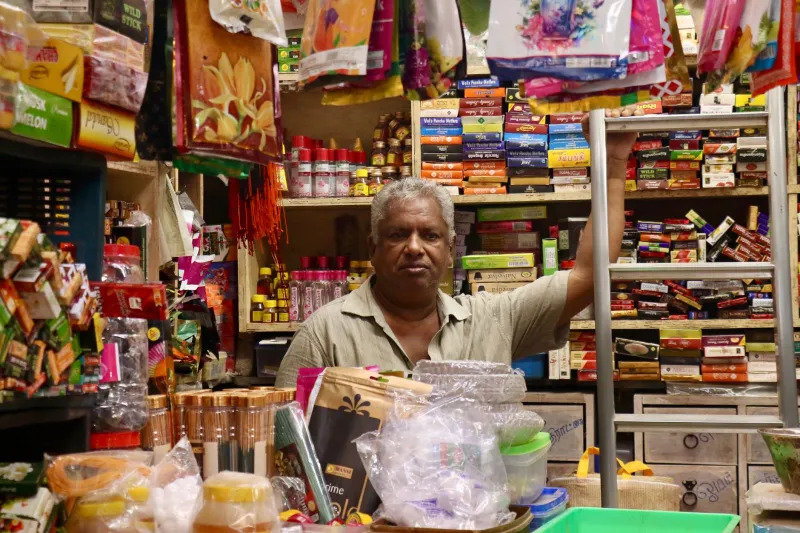
If you've ever watched a South Asian auntie work a grocery store, you know it's a masterclass in efficiency, skepticism, and deeply held opinions about produce. She'll squeeze every mango in the bin, hold a bunch of methi up to the light, and spend four minutes debating which brand of toor dal is worth the extra dollar. By the time she's done, she's got exactly what she needs—and probably knows the store manager by name.
For the rest of us trying to cook South Asian food in the US, the grocery experience can feel a lot more chaotic. Which store even carries tamarind paste? Is this the right kind of rice? Why are there six different things labeled "lentils" and none of them say what I need? This guide is here to help you shop smarter, waste less, and actually find what you're looking for—wherever you happen to be shopping.
Know Your Stores Before You Walk In
Not all grocery runs are created equal, and the first step is understanding what each type of store does well.
Mainstream supermarkets (think Kroger, Safeway, Whole Foods, Trader Joe's) have gotten better in recent years. You'll reliably find coconut milk, canned chickpeas, basmati rice, and basic spices like cumin, coriander, and turmeric. Whole Foods often carries ghee (though at a premium), and Trader Joe's has a surprisingly solid frozen section for things like naan and saag. What you won't find: fresh curry leaves, dried red chilies worth using, whole spices in quantity, or any of the more specific dals.
South Asian grocery stores—often called Indian grocery stores, though many also carry Pakistani, Sri Lankan, and Bangladeshi products—are where the real pantry building happens. These shops carry a depth of product that mainstream stores simply can't match: multiple varieties of dal, atta flour, fresh fenugreek leaves, curry leaf plants, regional spice blends, and imported snacks that will derail your shopping list in the best way. Prices are almost always significantly lower than buying the same items at a mainstream store.
Other ethnic markets can fill surprising gaps. Many East and Southeast Asian grocery stores carry excellent fresh produce that overlaps with South Asian cooking—bitter melon, drumstick (moringa), taro, and a range of fresh chilis. Latin supermarkets are a great source for tamarind, certain lentils, and fresh cilantro in large bunches for a fraction of the cost.
Online retailers have become genuinely essential. Amazon carries a broad range of shelf-stable South Asian pantry staples, but more specialized sites like iShopIndian, Patel Brothers Online, or Diaspora Co. (for exceptional single-origin spices) offer quality and variety that's hard to match locally—especially if you live far from a South Asian grocery store.
Decoding Dal: A Quick Field Guide
Dal is one of the most confusing sections of any Indian grocery store if you're new to it. Here's a fast breakdown of the ones you'll encounter most often:
- Toor dal (split pigeon peas): Yellow, earthy, and the base of most South Indian sambars and Gujarati dals. Look for plain toor dal—not the oily variety, which is coated in castor oil for preservation and requires extra rinsing.
- Masoor dal (red lentils): Salmon-colored, cooks fast without soaking, and makes a creamy, mild dal. This is often the easiest to find in mainstream supermarkets under the generic "red lentils" label.
- Chana dal (split chickpeas): Nutty and slightly sweet. Used in dals, chutneys, and as a tempering ingredient. Not the same as yellow split peas, though they look similar.
- Moong dal (split mung beans): Mild and easy to digest. Yellow moong dal (hulled) cooks quickly; whole green moong takes longer but has more texture.
- Urad dal (split black lentils): Crucial for dosa batter, idli, and certain North Indian dals. Comes whole (black) or split and hulled (white/cream colored). Don't mix them up—they behave very differently.
Rice Is Not Just Rice
Basmati is the most widely known South Asian rice in the US, and it's a solid all-purpose choice. But it's worth knowing that South Indian cooking often calls for different varieties entirely—sona masoori (lighter and starchier, better for rice dishes and dosas) or parboiled rice (used in idli and dosa batters). If a recipe specifies a type, it's worth seeking it out at an Indian grocery rather than substituting basmati, which has a distinct texture and aroma that doesn't always translate.
Fresh Produce: What to Look For (and Where)
A few items that are worth hunting down specifically:
Fresh curry leaves are almost impossible to find outside of South Asian or Southeast Asian grocery stores. They freeze beautifully—buy a large bunch, strip the leaves from the stems, and freeze flat in a zip-lock bag. They can go straight from freezer to hot oil.
Green chilies vary wildly in heat. Serrano peppers are a reasonable substitute for Indian green chilies in most recipes. Thai green chilies are hotter and work well when you want more punch.
Methi (fresh fenugreek leaves) show up in Indian grocery stores fairly regularly. If you can't find them fresh, dried kasuri methi (fenugreek leaves) is a pantry staple worth keeping around—it adds a distinct, slightly bitter depth to curries and flatbreads.
Build a Relationship With Your Local Store
This is the auntie move that most people overlook: actually talking to the people who work at your local South Asian grocery. These stores are often family-run, and the owners or managers frequently have the ability to source items they don't regularly stock—if you ask. Want a specific regional brand of pickle? A particular type of rice from a certain region? Ask. Come back regularly. Become a familiar face. You'd be surprised what starts appearing on the shelves when customers make their needs known.
Shopping for South Asian ingredients in the US takes a little strategy, but it gets easier fast. Once you know which stores handle which categories, you'll stop making frantic substitutions and start cooking with the confidence of someone who grew up with a spice rack that actually makes sense.