Dal Is Dinner: Seven Ways to Put Lentils at the Center of Your Table
Let's have an honest conversation about how dal gets treated in most American households that aren't already familiar with South Asian cooking. It shows up on the side of a plate. It's the thing next to the rice, supporting the main event. It's what you serve when you're not sure what else to make.
This is a tragedy. Dal — whether you're talking about a silky tarka dal made with red lentils, a hearty chana dal studded with ginger and dried mango powder, or a paper-thin rasam that doubles as a digestive — is one of the most complete, satisfying, and genuinely flexible ingredients in the entire South Asian pantry. It can absolutely be the star. It just needs someone to give it the spotlight.
Here are seven ways to build a full, satisfying meal around dal — not alongside it.
1. Tarka Dal as a Weeknight Bowl
This is the gateway. Red lentils (masoor dal) cook in about 20 minutes without any soaking, and the final dish — smooth, golden, deeply savory — is the kind of thing you can make on a Tuesday when you have nothing in the fridge except onions and a can of tomatoes.
The move is to treat it like a grain bowl. Ladle it over brown rice or farro, top with a fried egg, a handful of cilantro, and a squeeze of lemon. Drizzle the tarka (the hot oil bloomed with cumin seeds, dried chilies, and garlic) directly over the top at the table so it sizzles when it hits. That's dinner. That's a complete, protein-rich, genuinely exciting dinner.
2. Chana Dal Pancakes for Weekend Brunch
Soaked chana dal (split chickpeas) blended with ginger, green chili, and a little cumin makes a thick, savory batter that cooks into crispy-edged pancakes on a cast iron skillet. These are popular across South Asia under various names — cheela in Hindi, puda in some regions — and they're wildly underrepresented on American brunch tables.
Serve them with a yogurt dip and some sliced avocado if you want to meet your audience halfway. They hold up well and reheat beautifully, which makes them a solid meal-prep option too.
3. Dal Makhani as a Weekend Project
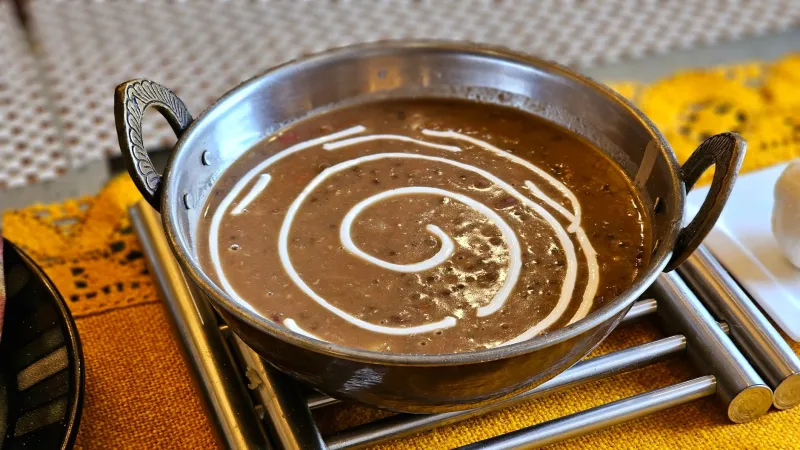
Dal makhani is the slow-cooked, deeply rich preparation made from whole black lentils (urad dal) and kidney beans that you've probably seen on restaurant menus. The restaurant version often simmers for six to eight hours. Yours doesn't have to go that long, but it does need at least two to three hours to develop the right body and depth.
This is a weekend dal. Make a big pot, refrigerate half, and eat it over four days. It actually gets better on day two and day three as the flavors deepen. Serve it with naan, or honestly just with crusty sourdough — the sauce is good enough to justify bread of any nationality.
4. Masoor Dal Soup for Lunch That Actually Fills You Up
American lunch culture is dominated by sandwiches and salads, and while there's nothing wrong with either, a bowl of spiced red lentil soup is going to keep you full in a way that a grain bowl often doesn't. Cook your masoor dal with turmeric, cumin, and a bay leaf, then finish with a squeeze of lemon and a swirl of olive oil or ghee.
Blend it smooth if you want something that feels restaurant-fancy, or leave it a little chunky for texture. Either way, portion it into containers on Sunday and you've got four days of lunch that reheats in three minutes.
5. Rasam as a Broth-Forward Dinner Starter
Rasam is the South Indian thin, peppery, tamarind-spiked soup that gets made with toor dal (split pigeon peas) as its base. It's not thick. It's not creamy. It's sharp and bright and so deeply aromatic that a small cup of it before dinner resets your entire appetite.
In Tamil Nadu, rasam is often served poured over rice, eaten as its own course. In a US context, think of it as a starter soup — something to serve in small mugs before a larger meal. It's also genuinely one of the best things to eat when you're sick, which is why South Asian grandmothers have been prescribing it for generations.
6. Dal Tadka Tacos (Yes, Really)
This isn't fusion for the sake of it — it's just practical. A well-made tarka dal, slightly thickened so it doesn't run everywhere, works beautifully as a taco filling. Use small corn tortillas, add pickled onions, a little crumbled paneer or cotija, and some fresh cilantro. The spice profile is different from anything you'd find at a taqueria, and that's exactly the point.
This is also a genuinely kid-friendly way to introduce South Asian flavors if you're cooking for a household that needs some convincing. Tacos are a safe delivery vehicle.
7. Moong Dal Khichdi as the Ultimate Comfort Meal
Khichdi — rice and split yellow moong dal cooked together into a soft, porridge-like consistency — is South Asia's answer to chicken soup. It's what you eat when you're tired, when you're recovering from something, or when you just need food that feels like a hug.
Season it simply: ghee, cumin seeds, a pinch of turmeric, salt. That's really all it needs. Serve it with a dollop of yogurt and some mango pickle (see our achar article if you're making your own), and you have a complete meal that costs almost nothing and takes about 30 minutes.
The Bigger Point
Dal is cheap, nutritious, endlessly adaptable, and genuinely delicious when it's cooked with care. It doesn't need meat to justify itself. It doesn't need to be a side dish. It just needs you to stop treating it like a backup plan and start treating it like the main event — because that's what it's been in South Asian kitchens for a very long time.