Jars, Labels, and a Whole Lot of Confusion: Your Guide to Buying South Asian Condiments
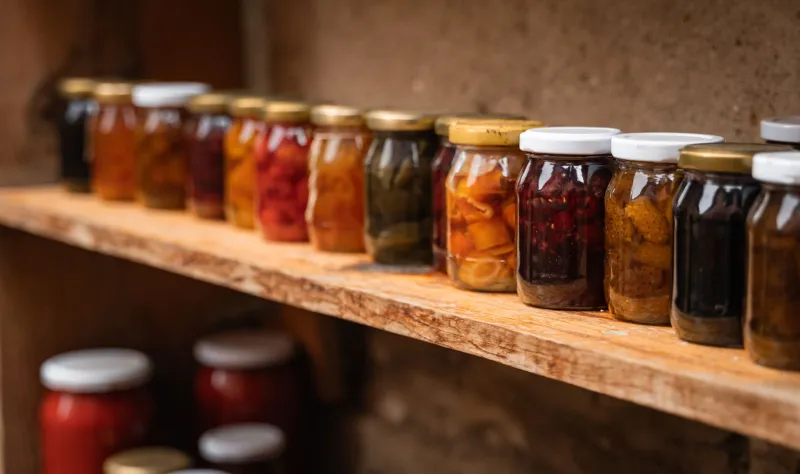
There's a specific kind of grocery store paralysis that hits when you're standing in front of a wall of South Asian condiments for the first time. Or the tenth time, honestly. The jars look similar. The labels use terms interchangeably. One says "hot lime pickle," another says "lime achar," and a third just says "lime relish" like it gave up trying to explain itself. You grab one, go home, and discover it tastes nothing like what your coworker's mom serves.
This happens to a lot of people — not just newcomers to South Asian cooking. The condiment category is genuinely vast, regionally fragmented, and inconsistently labeled for Western markets. So let's slow down and actually decode what's on those jars.
Pickle vs. Chutney vs. Achar: They're Not the Same Thing
The first source of confusion is terminology. In American grocery stores, "pickle" usually means something brined in vinegar. In South Asian cooking, a pickle — or achar — is typically oil-cured, heavily spiced, and fermented over time. Vinegar rarely enters the picture. The preservation comes from salt, mustard oil, and sometimes sun exposure. The result is intensely concentrated, funky, and deeply savory in a way that Western pickles just aren't.
Chutney is a broader, more forgiving category. It can be fresh (like a cilantro-mint chutney you'd make and use the same day), cooked down into a jammy spread, or shelf-stable and sweet-tangy like the tamarind chutneys you'll find bottled. The word itself comes from the Hindi chatni, meaning "to lick" — which tells you something about the intended level of enthusiasm.
Relish and preserve are terms that sometimes appear on labels aimed at non-South Asian shoppers. They're not wrong exactly, but they flatten a lot of nuance. If a jar says "mango preserve" and it's from a South Asian brand, read the ingredient list carefully — it might be closer to a murabba (a sweet, syrupy preparation) than to anything you'd spread on toast.
Regional Variations Are Real and Matter
India alone has dozens of distinct pickle traditions, and that's before you account for Sri Lankan, Pakistani, Bangladeshi, or Nepali condiment cultures. Buying without knowing the regional context can lead to some surprising meals.
North Indian achars — think the classic mixed vegetable pickle or the fiery mango pickle you find at most Indian restaurants — tend to be made with mustard oil and have a sharp, pungent heat. Brands like Priya, Pachranga, and Mother's Recipe are well-known in this space.
South Indian pickles often use sesame oil as the base and lean into tamarind for sourness. Gongura (sorrel leaf) pickle from Andhra Pradesh is a good example — deeply tart, almost sour-grassy, with a heat that builds slowly. If you've never had it, it's worth tracking down. It tastes like nothing else.
Sri Lankan condiments have their own lane entirely. Pol sambol (coconut relish) is fresh and bright. Lunu miris — a paste of chili, onion, and Maldive fish — is funky and aggressive in the best way. These don't always make it onto mainstream Indian grocery shelves in the US, so specialty Sri Lankan grocers or online retailers like iShopIndian or Patel Brothers' online store are worth checking.
What to Actually Look for on the Label
Once you know what category you're in, the ingredient list tells you a lot.
Oil type matters. Traditional achars use mustard oil, which has a sharp, almost horseradish-like bite. Some brands substitute with refined vegetable oil for a milder flavor and broader appeal. Neither is wrong, but they taste different. If authenticity to a regional style is your goal, check the oil.
Watch for added vinegar. Some pickles marketed to Western audiences add vinegar for preservation or to approximate a flavor people already recognize. This changes the acidity profile significantly. It's not necessarily bad — just different from the traditionally fermented or oil-cured version.
Sugar content in chutneys. Bottled chutneys for the export market are often sweetened more heavily than their homemade counterparts. If you're buying tamarind chutney and it tastes like candy, that's why. Brands like Swad and Deep tend to run sweeter. If you want something with more sour-savory complexity, look for smaller-batch imports or brands that list tamarind concentrate high in the ingredients.
"Homestyle" or "traditional" on the label usually means nothing legally, but some brands do use it meaningfully. MDH, for instance, has been around since the 1940s and generally doesn't need to oversell itself. When a newer brand leans hard on those words, it's worth reading further.
The Freshness Question
One thing US shoppers often don't think about: South Asian condiments vary a lot by how recently they were made and how they were stored. A well-made mango achar improves with age — the flavors mellow and deepen over months. But a poorly stored or very old jar can turn rancid, especially if the oil has gone off.
When buying in-store, check the manufacture date, not just the expiration date. A jar made two years ago and expiring six months from now has been sitting around a while. For oil-heavy pickles, smell the jar when you open it. If it smells sharp in a metallic or soapy way rather than in a spicy, fermented way, trust your nose.
Online buying adds a layer of uncertainty. Stick to sellers with high turnover — major platforms like Amazon can have inconsistent storage, so buying directly from South Asian grocery websites or specialty importers is often safer for condiments.
A Few Practical Pairings to Get You Started
Once you've got a jar you're happy with, the question is what to do with it beyond the obvious. Mango achar on the side of dal and rice is a classic for a reason, but these condiments have range.
- Lime pickle is incredible stirred into yogurt as a quick raita, or spread thinly inside a grilled cheese sandwich with some sharp cheddar.
- Tamarind chutney works as a glaze for roasted vegetables or as a dipping sauce for anything fried — well beyond samosas.
- Gongura pickle mixed into softened butter makes a genuinely excellent compound butter for flatbreads or grilled corn.
- Coconut chutney (the fresh kind, from the refrigerator section) is a natural partner for idli and dosa, but it's also great as a dip for crudités if you're bringing something to a party and want to explain your whole personality in one dish.
The Short Version
The condiment aisle is chaotic, but it's navigable. Know the difference between achar, chutney, and relish. Pay attention to regional origin and oil type. Read ingredient lists with a skeptical eye for added vinegar and sugar. Buy from brands with real history when you can. And when in doubt, ask the person running the store — they almost always have an opinion, and it's usually a good one.